
Laying the Groundwork
Without proper grading, compaction, and site leveling, buildings can suffer from uneven settling, water pooling, erosion, or costly structural issues down the line.
An efficient, knowledgeable, and experienced crew ensures the job is done right the first time, saving time, minimizing delays, and avoiding expensive rework.
Dirt Work
Skilled dirt work is crucial in preparing commercial lots for construction, as it lays the foundation for structural integrity, drainage, and long-term stability.
Our extensive range of dirt work services include:
Construction site preparation
Excavation and grading
Foundation preparation
Fill dirt and backfilling
Drainage
Compacting and leveling
…and much, more

Our Services
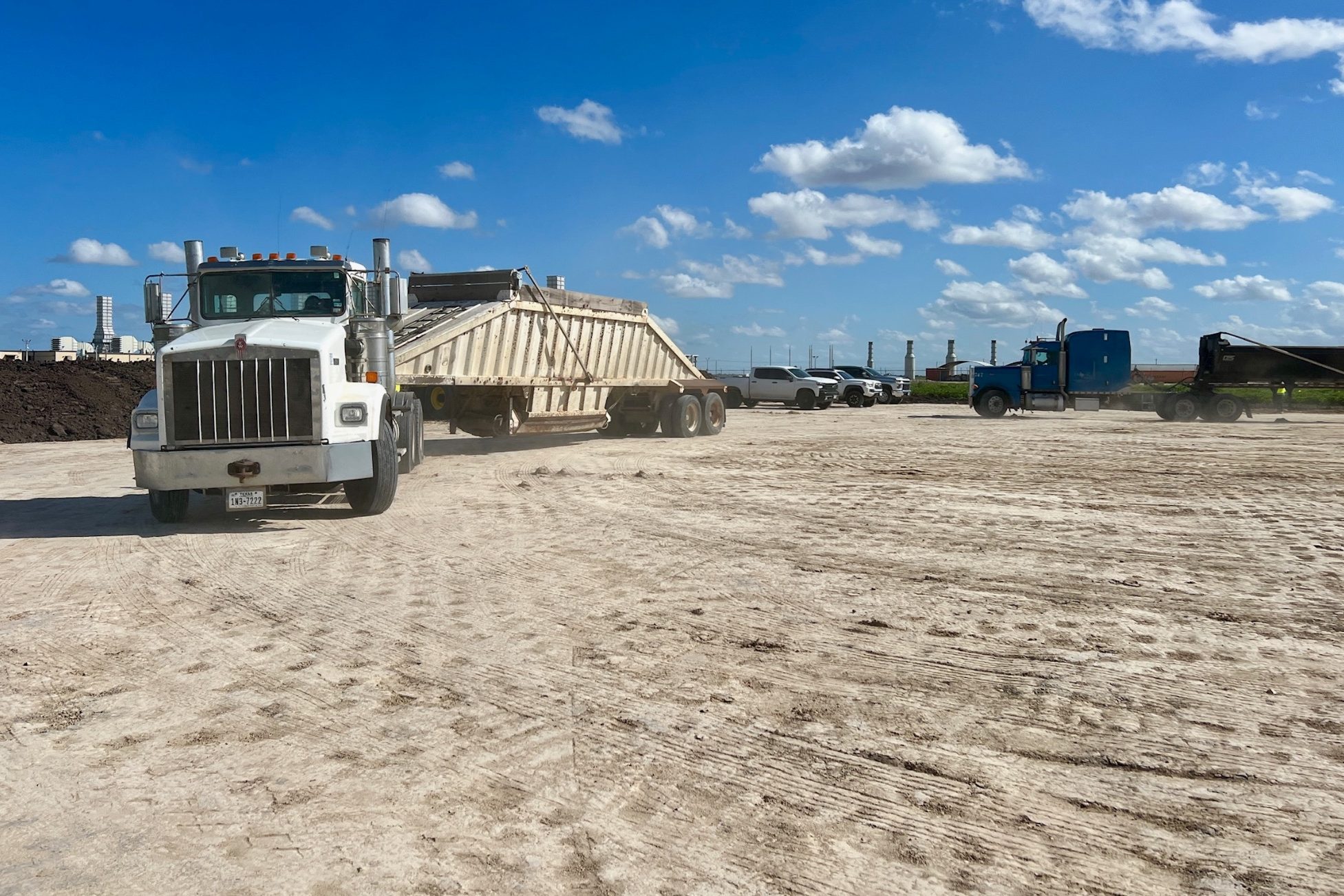
Stablization
Soil stabilization is a process by which physical properties of soil is altered to increase its stability and load-bearing capacity. Soil is stronger and better able to hold weight when properly treated. This is especially important when building roads, parking lots, and commercial structures.
In order to ensure structural stability and obtain proper building permits, The soil underneath your structure will need to meet specific engineering requirements, otherwise, you may not be able..
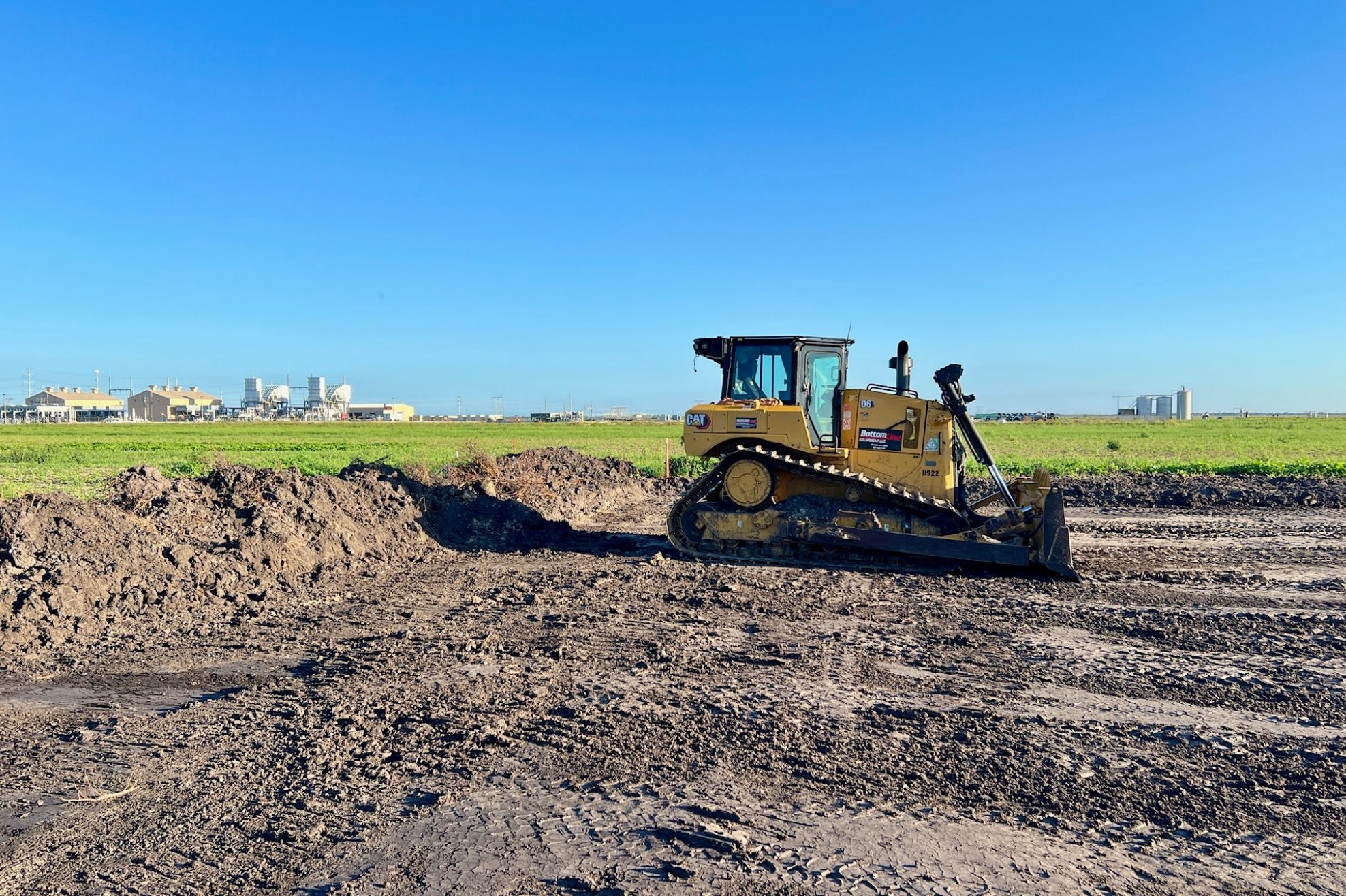
Grading
Grading in construction is the process of leveling and sloping a construction site to ensure proper drainage, achieve desired contours, and establish a solid foundation for a building project.
Grading land in construction is both a preparatory and preventative technique. It creates a level base for buildings and allows for water to flow away from a structure, preventing costly erosion.
Site grading is usually performed under the expertise of engineers and grading contractors using specialized heavy equipment.
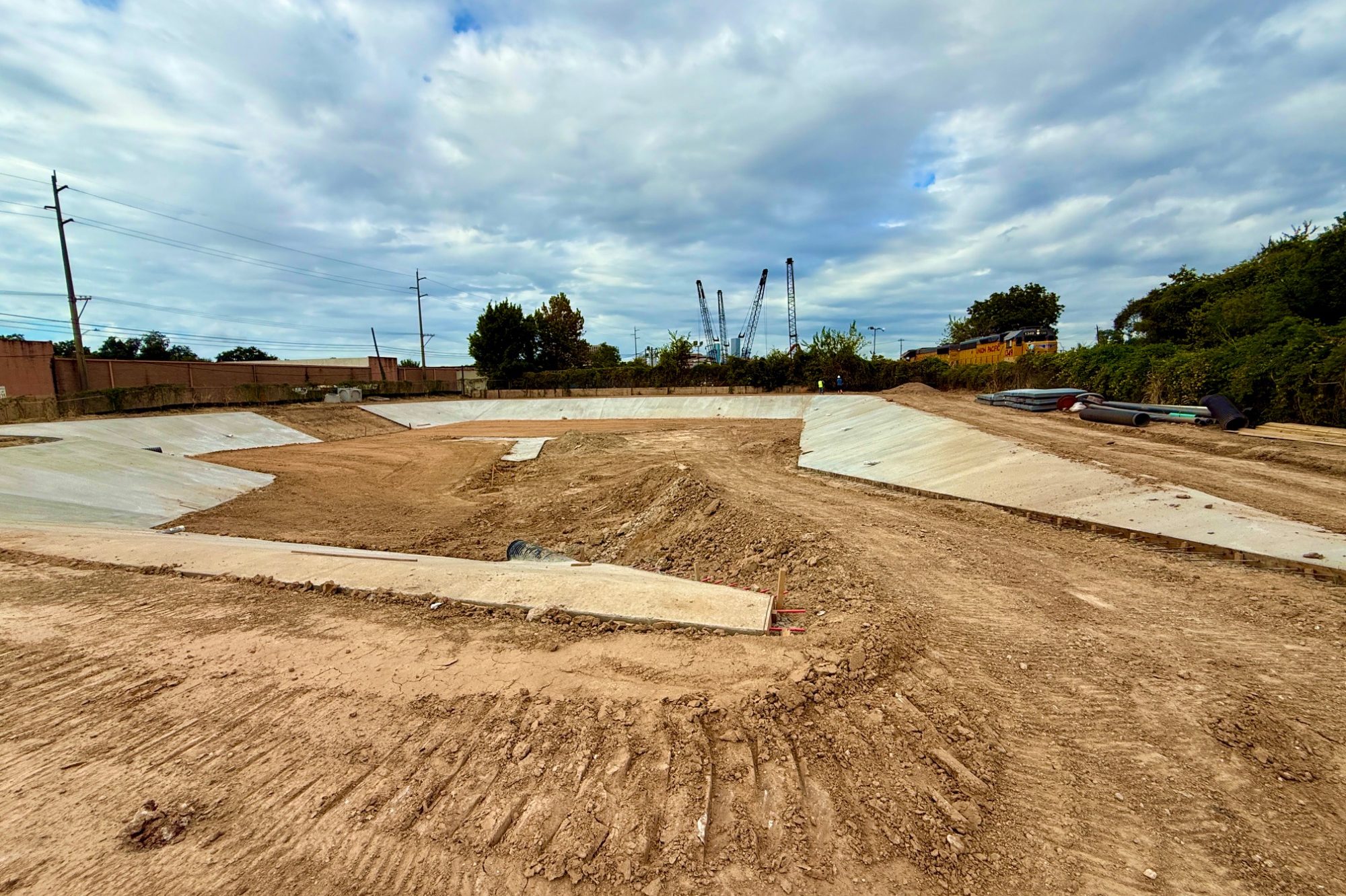
Detention & Retention Ponds
Detention and retention ponds are two valuable tools for managing heavy rainfall and runoff. Choosing between these ponds depends on site-specific needs and priorities.
Detention ponds temporarily hold stormwater during heavy rain and prevents downstream flooding during sudden storms. The water is slowly released back into drainage systems or natural waterways.
Retention ponds keep a permanent pool of water and manage excess runoff during rainfall while maintaining a consistent water body.
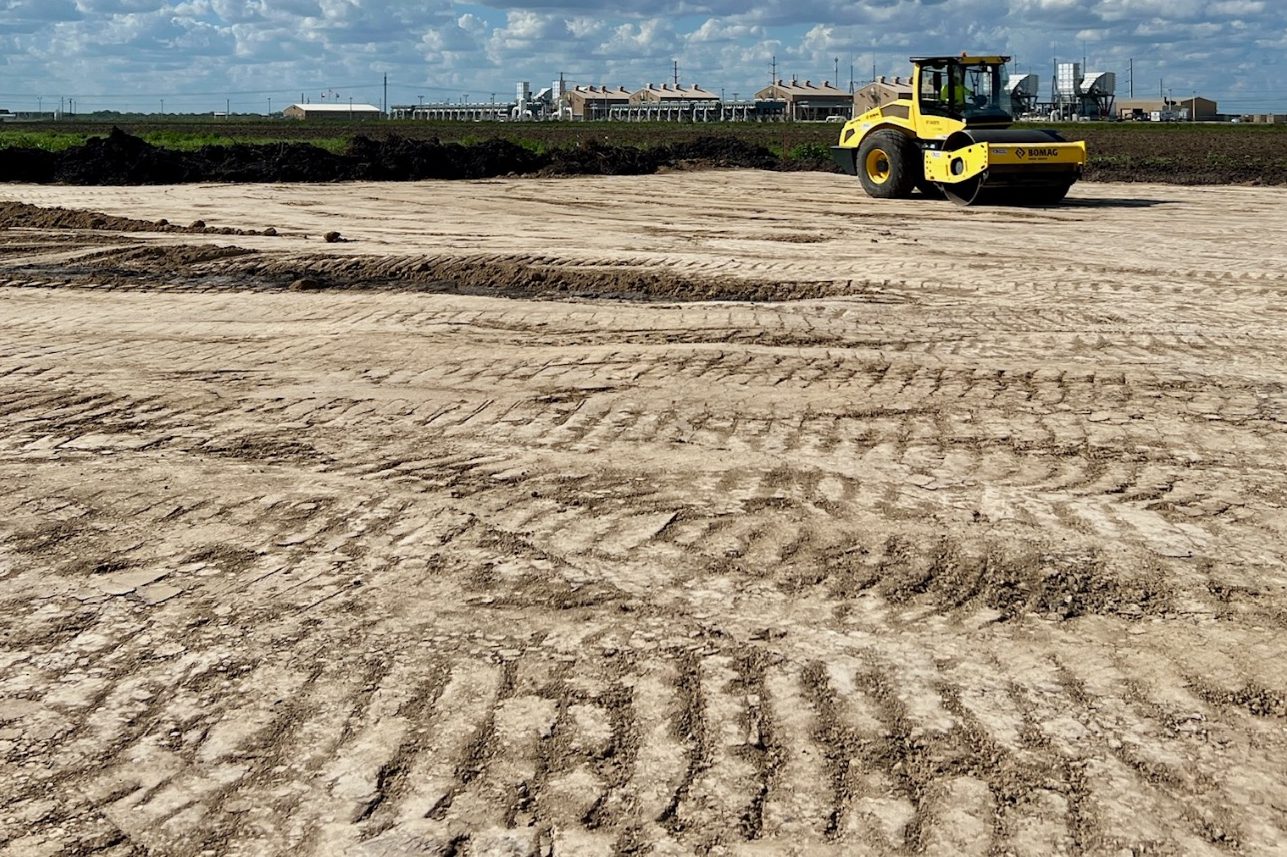
Lime & Cement Compaction
Lime is used to stabilize clay bearing soils. Lime chemically combines with water in the soil to lower moisture content. This reaction releases heat, helping to further dry the soil quickly. Lime stabilizers also reduce plasticity and the shrink-swell potential of soil. It reacts with clay minerals and other silica/alumina sources to cement the soil particles together, resulting in a stronger, drier, and more workable soil that is better able to support structures and facilitate construction.
Cement can be used to stabilize sandy and silty soils. When mixed with soil and water, cement undergoes a hydration reaction, forming a gel which binds granular soil particles together. This cemented soil matrix has increased strength, reduced permeability, and improved resistance to erosion..